Tag: makeup

How Skin Undertones Influence the Way Makeup Colors Appear

Skin undertones influence how makeup colors appear because the skin’s underlying coloration interacts with the pigments applied to its surface. Skin tone generally describes how light or deep the complexion appears, while undertone refers to subtle color characteristics that remain relatively consistent across changes in surface pigmentation. Common undertone categories include warm, cool, and neutral, although individual complexions can display more complex combinations. As a result, two people with similar skin tones may find that the same foundation, blush, or lipstick looks noticeably different on each of them. Understanding this distinction helps explain why matching makeup to overall skin depth alone does not always produce a visually harmonious result.

Why Foundation Shades Can Look Different on the Skin
foundation shade

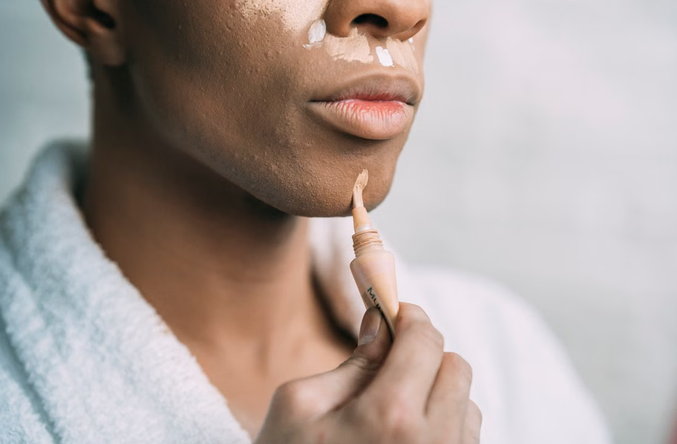
Foundation contains pigments designed to provide coverage and create a more uniform appearance. These pigments interact with the skin’s existing coloration, which affects the final result. A foundation with a strong yellow or golden base may look harmonious on someone with warm undertones but noticeably yellow against a cooler complexion. Conversely, a pink-based foundation may create an unwanted rosy appearance on skin with warmer underlying coloration. Neutral formulations attempt to balance these differences, although their suitability depends on the specific product and individual complexion. Foundation can also change as it dries, especially when its formula reacts with skin oils or oxidizes, so undertone is only one factor in the finished color.

How Undertones Affect Blush and Lipstick Colors

People often choose blush and lipstick to add color rather than conceal their natural complexion. Their appearance depends partly on how the applied pigment interacts with the skin’s underlying coloration. Peach, coral, and warm terracotta shades can complement golden undertones, while rose, berry, and blue-based red shades may create a different effect on cooler complexions. Neutral undertones can accommodate a broad range of colors, depending on their intensity and surrounding makeup. However, these associations are not strict rules. Pigment concentration, skin depth, lighting, and personal preference all influence how a shade appears. The same lipstick can look subtle on one person and much more vivid on another.

Why Lighting Changes the Perception of Makeup Colors
ring light

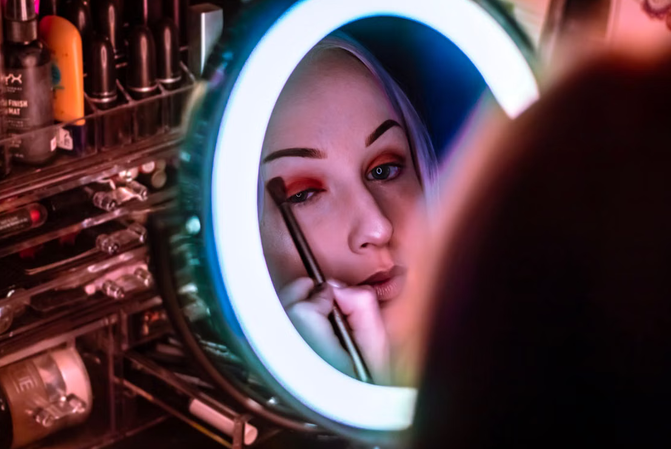
Lighting can significantly affect how undertones and makeup shades are perceived. Warm indoor lighting may make skin appear more golden or yellow, while cooler lighting can emphasize pink or bluish qualities. Direct sunlight, artificial illumination, and camera processing can also alter the apparent balance between skin and makeup. As a result, foundation that looks well matched in a store may look different outdoors or in photos. Surrounding colors can also influence perception because nearby clothing, backgrounds, and other makeup shades affect how the complexion is visually interpreted. Evaluating color under multiple lighting conditions provides a clearer sense of its appearance.

Skin undertones influence makeup colors by affecting how foundation, blush, lipstick, and other pigments interact visually with the complexion. Warm, cool, and neutral undertones can produce different results even when skin tones appear similar in depth. Lighting, product formulation, surface pigmentation, and color intensity further influence the final appearance. Understanding these relationships explains why makeup selection involves more than identifying whether a complexion is light, medium, or deep. The interaction between natural skin coloration and applied pigments ultimately determines how harmonious, subtle, or vivid a particular shade appears.

 …

Avoid These Blunders to Enhance Your Beauty

Makeup is a wonderful tool for enhancing our natural attractiveness and increasing confidence. Even the most expert makeup aficionados can make frequent blunders that detract from their overall appearance. To assist you obtain faultless results, this article will highlight some common makeup application errors to avoid. By avoiding these errors, you may improve your makeup abilities and create a great and polished image.

Skipping Skincare Preparation

One of the most crucial steps in a makeup routine is preparing the skin properly. Skipping skincare, such as cleansing, toning, moisturizing, and priming, can lead to a less-than-ideal makeup application. Prepping the skin ensures a smooth canvas for makeup and improves its longevity. Incorporate these essential skincare steps into your routine to create a flawless base that allows makeup to adhere better.

Using the Wrong Foundation Shade

Choosing the wrong foundation shade is a common mistake that can result in an unnatural and mismatched appearance. Always test foundation shades on your jawline or wrist to find a color that seamlessly blends with your natural skin tone. Seek professional assistance from makeup artists who can help determine your undertone and find the perfect foundation shade for a seamless finish.

Using the Wrong Foundation Shade

Overusing Powder

While powder helps set makeup and control shine, overusing it can create a cakey and dry appearance. Apply a light dusting of powder only where necessary, focusing on the T-zone and areas prone to excess oil. Opt for translucent or finely milled powders to avoid a heavy buildup. Remember, a little goes a long way, and blending is key to achieving a natural-looking finish.

Neglecting Blending

Blending is an essential technique in makeup application, yet it is often overlooked. Harsh lines and unblended colors can make your makeup appear stark and unnatural. Take the time to blend eyeshadows, blushes, and contour seamlessly for a smooth transition of colors. Use clean brushes or beauty sponges to ensure a flawless blend and a professional-looking finish.

makeup

Overdrawing Eyebrows

Defined eyebrows can enhance facial features, but overdrawn brows can give an unnatural and harsh appearance. Avoid applying eyebrow products with heavy hands or using shades significantly darker than your natural hair color. Opt for lighter strokes and create hair-like lines to mimic a more realistic look. Remember to groom your eyebrows by brushing them with a spoolie to soften any harsh lines.

Ignoring Lip Prep

Lipstick can enhance the overall look, but neglecting lip preparation can result in a less-than-flattering outcome. Dry and chapped lips can make lipstick appear uneven and emphasize flakiness. Exfoliate your lips with a lip scrub, moisturize with a lip balm, and remove any excess product before applying lipstick. This will ensure a smooth canvas for a perfect pout.

Forgetting to Set Makeup

Setting makeup is a crucial step in ensuring longevity and preventing smudging or creasing throughout the day. After completing your makeup application, use a setting spray to lock everything in place. Setting products helps your makeup withstand external factors, such as humidity and sweat, resulting in a fresh and flawless look that lasts.

Conclusion

Avoiding common makeup mistakes can elevate your makeup game and help you achieve a polished and professional appearance. By prepping your skin, selecting the correct foundation shade, blending seamlessly, avoiding the overuse of powder, practicing refined eyebrow techniques, prepping your lips, and setting your makeup, you can achieve a glamorous look.…