

Lingerie design has evolved alongside changes in women’s clothing, lifestyle, and expectations of everyday comfort. Once largely shaped by restrictive undergarments and formal dress requirements, lingerie has gradually become a more diverse category that balances functionality, personal expression, and aesthetics. Contemporary brands such as Gooseberry Lingerie reflect this shift through designs that bring intimate apparel closer to modern fashion sensibilities. Changes in fabric technology, garment construction, and popular silhouettes have also influenced how lingerie fits beneath different types of clothing. As everyday fashion becomes more varied, lingerie continues to adapt to different preferences and practical needs. Exploring this evolution reveals how intimate apparel has moved beyond traditional expectations to become a more visible part of personal style.

From Restrictive Foundations to More Flexible Designs
Earlier lingerie designs frequently relied on rigid materials and structured construction to create particular body shapes. Corsets, for example, were widely used to shape the waist and support fashionable silhouettes across different historical periods. However, changing clothing styles and growing interest in physical comfort encouraged the development of less restrictive alternatives. The introduction and wider adoption of elastic materials made underwear more adaptable to natural body movement. Bras, briefs, and other garments gradually incorporated softer fabrics, adjustable components, and different support structures. These developments reflected a broader shift in everyday fashion towards clothing that accommodated movement and varied daily activities rather than focusing exclusively on appearance.
How Everyday Clothing Influenced Lingerie Silhouettes
Changes in outerwear have consistently shaped lingerie’s form and construction. The popularity of fitted dresses, for example, increased demand for smooth undergarments that remained less visible beneath lightweight fabrics. Lower necklines and sleeveless clothing encouraged the development of different bra shapes and strap arrangements. Later, the popularity of casual clothing, including T-shirts and stretch fabrics, contributed to demand for simpler designs with fewer visible seams. These developments demonstrate how underwear and everyday fashion function as connected parts of clothing design. As garment silhouettes change, lingerie manufacturers respond by developing products that accommodate new proportions, fabric characteristics, and appearance expectations.
The Growing Importance of Comfort and Inclusivity
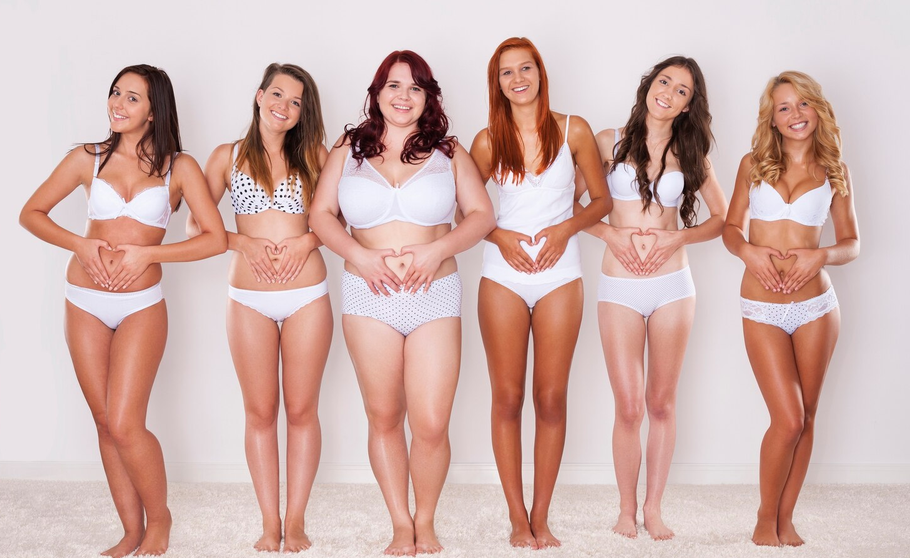
Modern lingerie design increasingly reflects the understanding that women have different body shapes, preferences, and support requirements. Earlier product ranges often concentrated on relatively narrow sizing standards and specific ideas about body proportions. Over time, manufacturers have increased their offerings to include broader size ranges, different cup constructions, adjustable features, and alternative support options. Soft fabrics and wireless designs have also become more prominent within contemporary collections. These changes reflect wider developments in everyday fashion, where comfort, accessibility, and individual expression have become increasingly visible considerations. Although availability and representation still vary between brands, the industry has gradually moved towards recognizing that lingerie should accommodate a wider range of bodies and lifestyles.
Lingerie design has changed alongside women’s everyday fashion through developments in materials, garment construction, comfort, and personal expression. From restrictive foundation garments to more flexible and diverse designs, underwear has adapted to changing clothing styles and social expectations. This evolution demonstrates how closely intimate apparel is connected to broader developments in fashion.…