Year: 2026

How Lingerie Design Has Changed Alongside Women’s Everyday Fashion

Lingerie design has evolved alongside changes in women’s clothing, lifestyle, and expectations of everyday comfort. Once largely shaped by restrictive undergarments and formal dress requirements, lingerie has gradually become a more diverse category that balances functionality, personal expression, and aesthetics. Contemporary brands such as Gooseberry Lingerie reflect this shift through designs that bring intimate apparel closer to modern fashion sensibilities. Changes in fabric technology, garment construction, and popular silhouettes have also influenced how lingerie fits beneath different types of clothing. As everyday fashion becomes more varied, lingerie continues to adapt to different preferences and practical needs. Exploring this evolution reveals how intimate apparel has moved beyond traditional expectations to become a more visible part of personal style.

corset

From Restrictive Foundations to More Flexible Designs

Earlier lingerie designs frequently relied on rigid materials and structured construction to create particular body shapes. Corsets, for example, were widely used to shape the waist and support fashionable silhouettes across different historical periods. However, changing clothing styles and growing interest in physical comfort encouraged the development of less restrictive alternatives. The introduction and wider adoption of elastic materials made underwear more adaptable to natural body movement. Bras, briefs, and other garments gradually incorporated softer fabrics, adjustable components, and different support structures. These developments reflected a broader shift in everyday fashion towards clothing that accommodated movement and varied daily activities rather than focusing exclusively on appearance.

How Everyday Clothing Influenced Lingerie Silhouettes

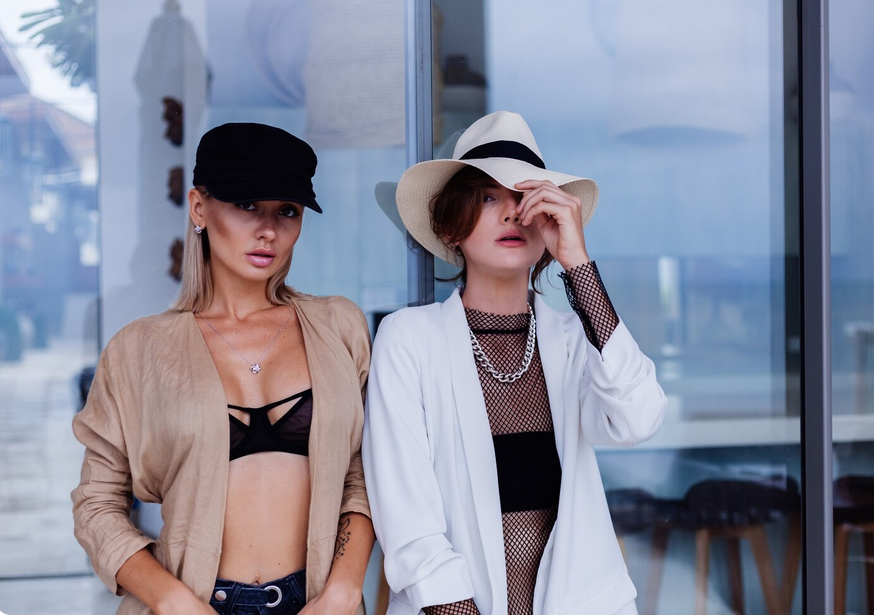
Changes in outerwear have consistently shaped lingerie’s form and construction. The popularity of fitted dresses, for example, increased demand for smooth undergarments that remained less visible beneath lightweight fabrics. Lower necklines and sleeveless clothing encouraged the development of different bra shapes and strap arrangements. Later, the popularity of casual clothing, including T-shirts and stretch fabrics, contributed to demand for simpler designs with fewer visible seams. These developments demonstrate how underwear and everyday fashion function as connected parts of clothing design. As garment silhouettes change, lingerie manufacturers respond by developing products that accommodate new proportions, fabric characteristics, and appearance expectations.
models

The Growing Importance of Comfort and Inclusivity

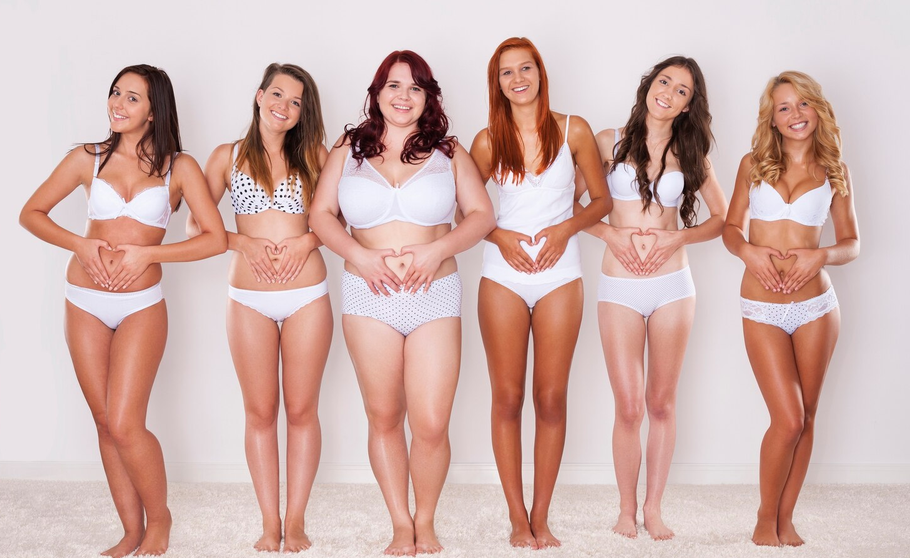
Modern lingerie design increasingly reflects the understanding that women have different body shapes, preferences, and support requirements. Earlier product ranges often concentrated on relatively narrow sizing standards and specific ideas about body proportions. Over time, manufacturers have increased their offerings to include broader size ranges, different cup constructions, adjustable features, and alternative support options. Soft fabrics and wireless designs have also become more prominent within contemporary collections. These changes reflect wider developments in everyday fashion, where comfort, accessibility, and individual expression have become increasingly visible considerations. Although availability and representation still vary between brands, the industry has gradually moved towards recognizing that lingerie should accommodate a wider range of bodies and lifestyles.

Lingerie design has changed alongside women’s everyday fashion through developments in materials, garment construction, comfort, and personal expression. From restrictive foundation garments to more flexible and diverse designs, underwear has adapted to changing clothing styles and social expectations. This evolution demonstrates how closely intimate apparel is connected to broader developments in fashion.…
How Skin Undertones Influence the Way Makeup Colors Appear

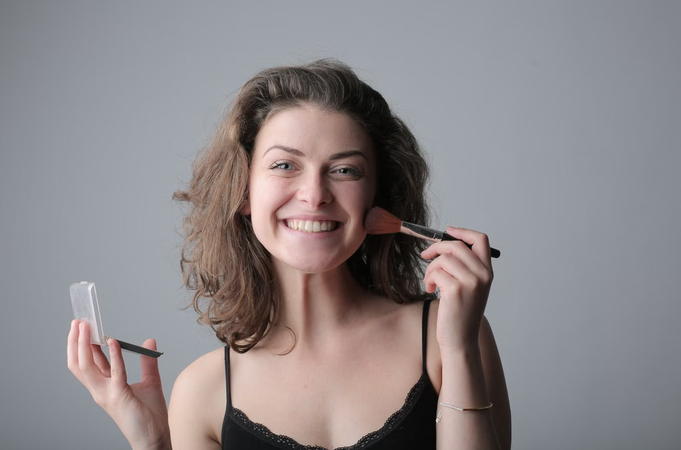
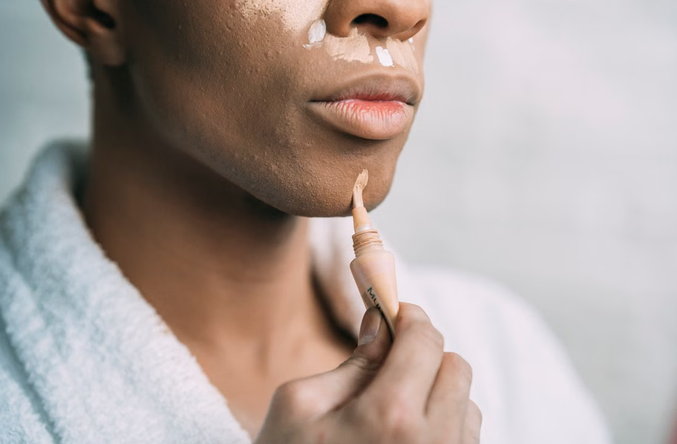
Skin undertones influence how makeup colors appear because the skin’s underlying coloration interacts with the pigments applied to its surface. Skin tone generally describes how light or deep the complexion appears, while undertone refers to subtle color characteristics that remain relatively consistent across changes in surface pigmentation. Common undertone categories include warm, cool, and neutral, although individual complexions can display more complex combinations. As a result, two people with similar skin tones may find that the same foundation, blush, or lipstick looks noticeably different on each of them. Understanding this distinction helps explain why matching makeup to overall skin depth alone does not always produce a visually harmonious result.

Why Foundation Shades Can Look Different on the Skin

foundation shade

Foundation contains pigments designed to provide coverage and create a more uniform appearance. These pigments interact with the skin’s existing coloration, which affects the final result. A foundation with a strong yellow or golden base may look harmonious on someone with warm undertones but noticeably yellow against a cooler complexion. Conversely, a pink-based foundation may create an unwanted rosy appearance on skin with warmer underlying coloration. Neutral formulations attempt to balance these differences, although their suitability depends on the specific product and individual complexion. Foundation can also change as it dries, especially when its formula reacts with skin oils or oxidizes, so undertone is only one factor in the finished color.

How Undertones Affect Blush and Lipstick Colors

People often choose blush and lipstick to add color rather than conceal their natural complexion. Their appearance depends partly on how the applied pigment interacts with the skin’s underlying coloration. Peach, coral, and warm terracotta shades can complement golden undertones, while rose, berry, and blue-based red shades may create a different effect on cooler complexions. Neutral undertones can accommodate a broad range of colors, depending on their intensity and surrounding makeup. However, these associations are not strict rules. Pigment concentration, skin depth, lighting, and personal preference all influence how a shade appears. The same lipstick can look subtle on one person and much more vivid on another.

Why Lighting Changes the Perception of Makeup Colors

ring light

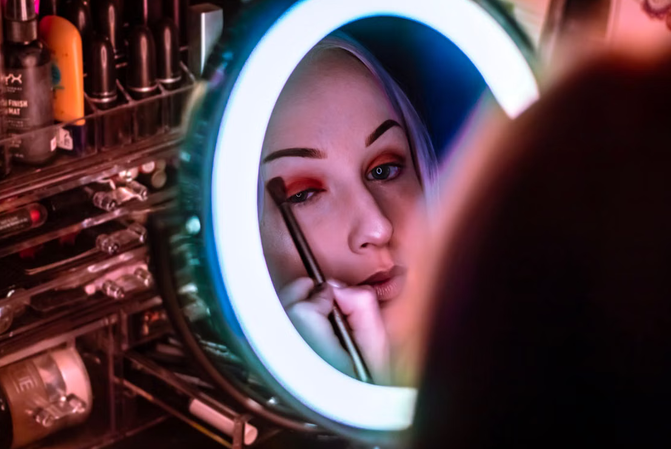
Lighting can significantly affect how undertones and makeup shades are perceived. Warm indoor lighting may make skin appear more golden or yellow, while cooler lighting can emphasize pink or bluish qualities. Direct sunlight, artificial illumination, and camera processing can also alter the apparent balance between skin and makeup. As a result, foundation that looks well matched in a store may look different outdoors or in photos. Surrounding colors can also influence perception because nearby clothing, backgrounds, and other makeup shades affect how the complexion is visually interpreted. Evaluating color under multiple lighting conditions provides a clearer sense of its appearance.

Skin undertones influence makeup colors by affecting how foundation, blush, lipstick, and other pigments interact visually with the complexion. Warm, cool, and neutral undertones can produce different results even when skin tones appear similar in depth. Lighting, product formulation, surface pigmentation, and color intensity further influence the final appearance. Understanding these relationships explains why makeup selection involves more than identifying whether a complexion is light, medium, or deep. The interaction between natural skin coloration and applied pigments ultimately determines how harmonious, subtle, or vivid a particular shade appears.

 …